Swaraj Polycoats
How to Choose the Right Floor Coating Based on Your Industry Needs
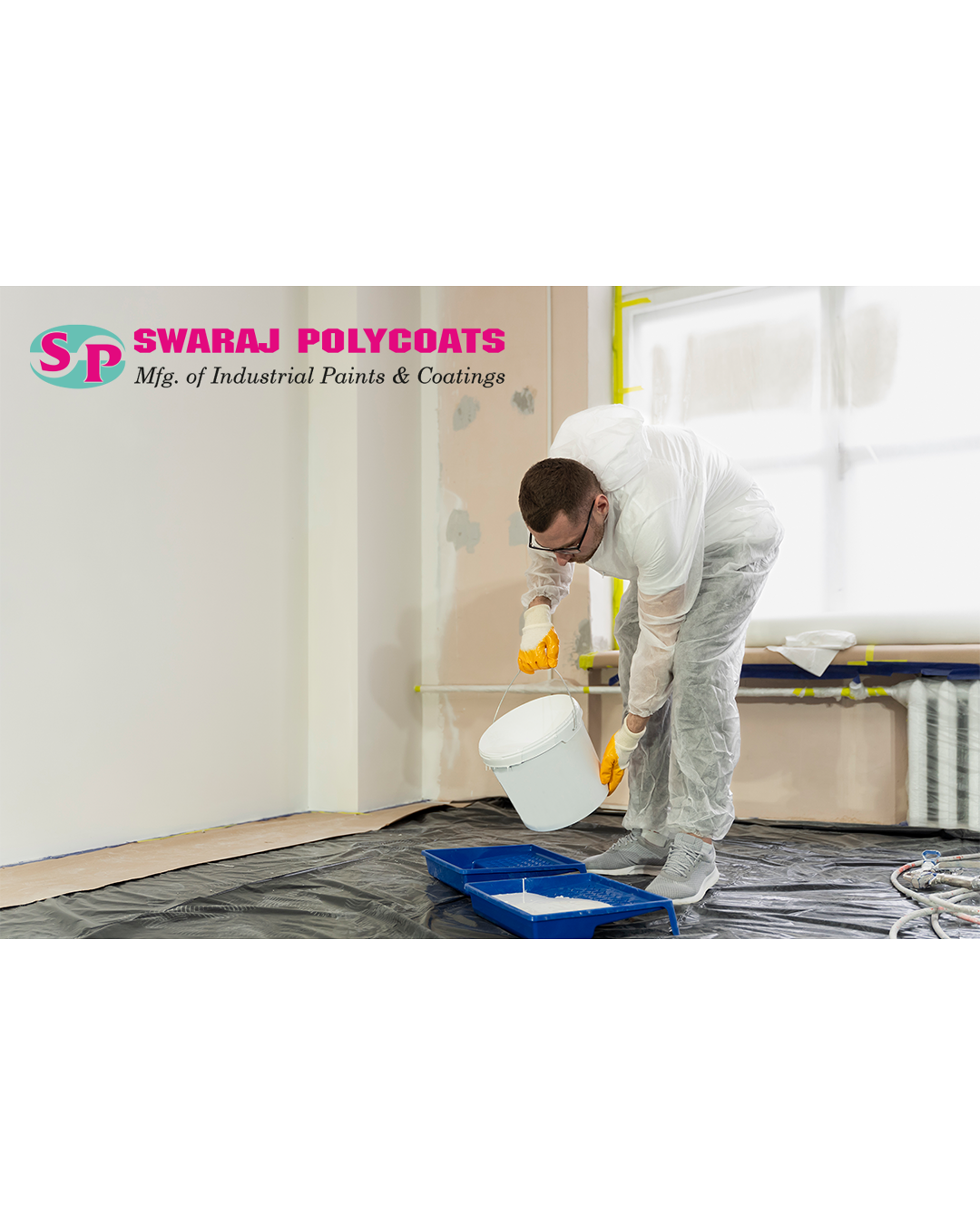
Choosing a floor coating is not just about colour or price. For industries, the floor is a working surface — it carries machines, people, chemicals, vehicles, and daily wear and tear. Yet, many businesses make the mistake of selecting a floor coating without fully understanding their industry requirements, and later face issues like peeling, cracks, slipperiness, or frequent repairs.
This guide will help you choose the right floor coating based on your industry needs, so your investment lasts longer and performs better.
Why Choosing the Right Floor Coating Matters
A properly selected floor coating can:
- Increase floor life by years
- Reduce maintenance and repair costs
- Improve workplace safety
- Support hygiene and compliance standards
- Enhance productivity and appearance
On the other hand, a wrong choice can lead to:
- Premature coating failure
- Safety hazards
- Production downtime
- Higher long-term costs
Step 1: Understand Your Working Environment
Before selecting any floor coating, ask these questions:
- Is the floor exposed to chemicals, oils, or solvents?
- Is there heavy machinery or forklift movement?
- Does the area require hygiene or cleanliness standards?
- Is static control required?
- Is the floor exposed to moisture or temperature changes?
Floor Coating Options Commonly Used in Industries
1. Epoxy Floor Coating
- Strong and durable
- Chemical and abrasion resistant
- Seamless and dust-free
- Ideal for industrial and commercial use
2. Polyurethane (PU) Floor Coating
- Flexible and impact-resistant
- Handles temperature variations well
- Better UV resistance than epoxy
- Suitable for dynamic environments
3. Anti-Static (ESD) Flooring
- Controls electrostatic discharge
- Used in electronics and sensitive areas
4. Heavy-Duty / Mortar Flooring
- High thickness
- Designed for extreme loads and impact
Industry-Wise Guide to Choosing the Right Floor Coating
1. Manufacturing & Industrial Plants
Recommended Floor Coating: Heavy-duty epoxy flooring, Epoxy mortar systems for extreme loads
2. Warehouses & Logistics Centers
Recommended Floor Coating: Self-leveling epoxy flooring, High-build epoxy coatings
3. Pharmaceutical & Healthcare Facilities
Recommended Floor Coating: Anti-bacterial epoxy flooring, PU flooring for cleanrooms
4. Food & Beverage Processing Units
Recommended Floor Coating: PU flooring systems, Anti-skid epoxy flooring
5. Automotive Workshops & Service Centers
Recommended Floor Coating: Epoxy floor coating with anti-skid finish
6. Electronics & Semiconductor Units
Recommended Floor Coating: Anti-static (ESD) epoxy flooring
7. Cold Storage & Temperature-Controlled Areas
Recommended Floor Coating: Polyurethane (PU) flooring systems
8. Commercial & Retail Spaces
Recommended Floor Coating: Decorative epoxy flooring, Quartz or flake epoxy systems
Step 2: Consider Safety Requirements
- Anti-skid finishes in wet areas
- High visibility floor markings
- Fire-retardant coatings where required
- Slip-resistant textures
Step 3: Evaluate Maintenance & Downtime
Epoxy and PU coatings are popular because they offer low maintenance and long service life, reducing downtime.
Step 4: Think Long-Term, Not Just Initial Cost
Choosing the right floor coating ensures better performance, lower lifetime cost, and peace of mind.
Common Mistakes to Avoid
- Choosing coating only based on price
- Ignoring surface preparation
- Using the same coating for all areas
- Not considering future expansion or load changes
- Hiring untrained applicators



